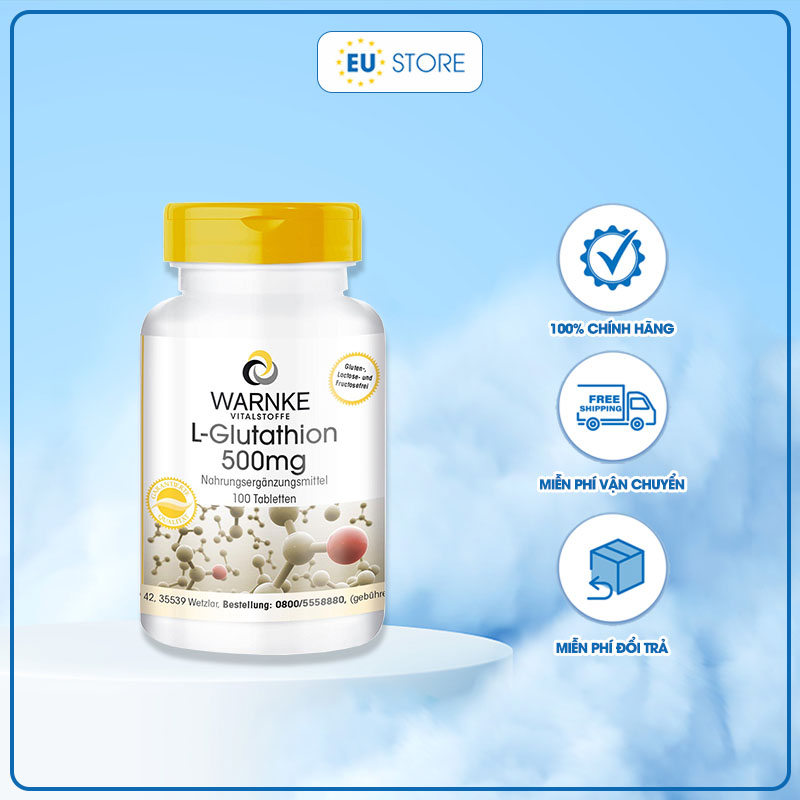
Ingredients: Water, Dipropylene Glycol, Glycerin, Niacinamide, Octyldodecanol, Helianthus Annuus (Sunflower) Seed Oil, Butylene Glycol, Trehalose, Pentylene Glycol, 1,2-Hexanediol, Eriobotrya Japonica Leaf Extract, Coptis Japonica Root Extract, Mentha Viridis (Spearmint) Extract, Sodium Hyaluronate, Theobroma Cacao (Cocoa) Extract, Centella Asiatica Leaf Extract, Argania Spinosa Kernel Oil, Sesamum Indicum (Sesame) Seed Oil, Chitosan, Serenoa Serrulata Fruit Extract, Caprylyl Methicone, Panthenol, Polymethylsilsesquioxane, Propanediol, Hydroxyethyl Acrylate/Sodium Acryloyldimethyl Taurate Copolymer, Cetearyl Olivate, Polyglyceryl-10 Behenate/Eicosadioate, Ammonium Acryloyldimethyltaurate/VP Copolymer, Sorbitan Olivate, Acrylates/C10-30 Alkyl Acrylate Crosspolymer, Tromethamine, Ethylhexylglycerin, Sorbitan Isostearate, Adenosine, Palmitic Acid, Hydrogenated Lecithin, Glutathione, Phosphatidylcholine, Polyglyceryl-10 Laurate, Dilauryl Thiodipropionate, Pentaerythrityl Tetra-di-t-butyl Hydroxyhydrocinnamate, Sodium Phytate, Allantoin, Madecassoside, Lecithin, Cellulose, Sodium Phosphate, Polyglutamic Acid, Dextrin, Asiaticoside, Cysteine, Tocopherol, 3-O-Ethyl Ascorbic Acid, Arbutin, Bisabolol, sh-Oligopeptide-1, sh-Oligopeptide-2, sh-Polypeptide-1, sh-Polypeptide-10, sh-Polypeptide-11, sh-Polypeptide-3, sh-Polypeptide-59, sh-Polypeptide-9, Cholesterol, Ascorbic Acid, Beta-Sitosterol, Ascorbyl Glucoside, Ceramide NP, Xanthan Gum, C12-16 Alcohol

Depends on your situation: If you struggle with hunger and portion control, GLP-1 agonists are more effective
Biol Bullet
McCall MR, Carr AC, Forte TM, Frei B (2001) Ldl modified by hypochlorous acid is a potent inhibitor of lecithin-cholesterol acyltransferase activity
Many chemicals are known to be gender benders, disrupting our hormone pathways, plugging into the estrogen receptors and not letting go, decreasing fertility in women, sperm counts in men
Results Patient characteristics The Table 1 summarizes the characteristics of patients from whom plasma (51 OC and three benign ovarian tumour specimens), as well as 44 paired samples of OC tissue and non-cancerous tissue, were obtained, with high-grade serous carcinoma being the most prevalent (plasma: 16/51 (31.4%), tissue: 14/44 (31.8%)), followed by clear cell carcinoma (plasma: 13/51 (25.5%), tissue: 12/44 (27.3%))

.jpg)